Jhene Aiko Finally Sounds Like She Means It
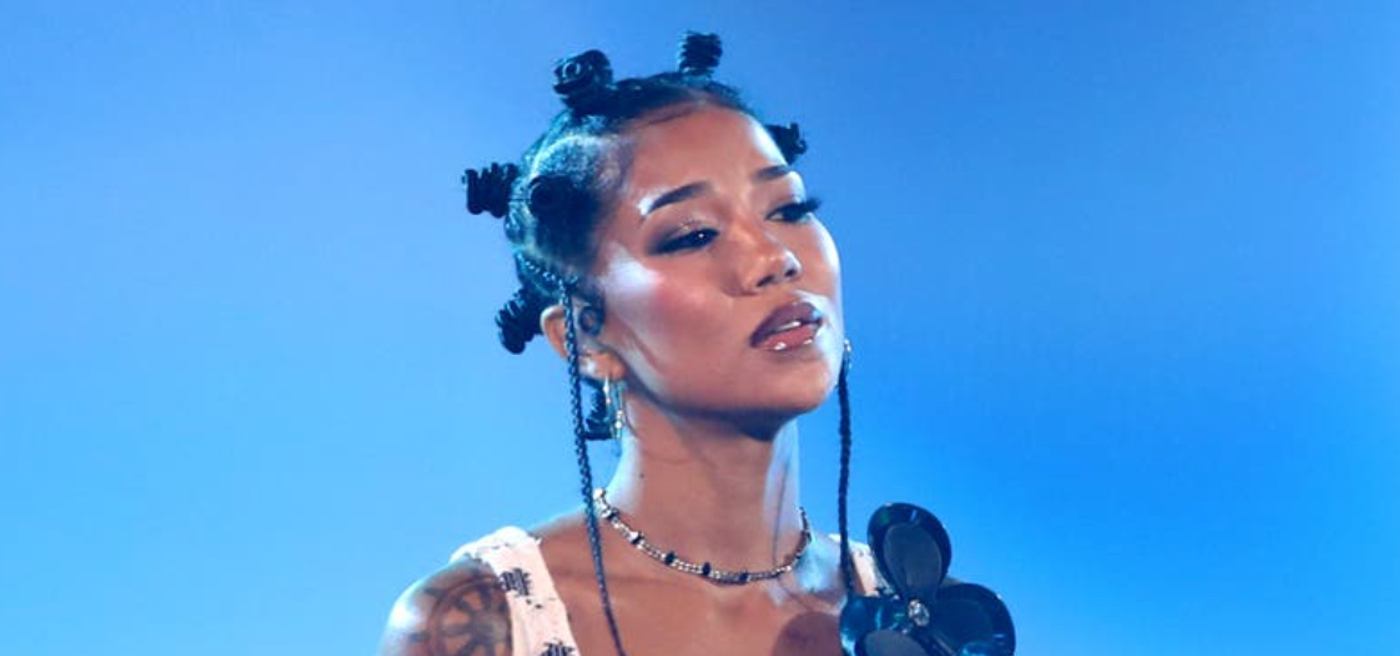
Jhene Aiko sold out 37 arenas in 2024 without releasing a studio album in four years. That tells you something about the economics of devoted fanbases versus hit-chasing, but it also exposes the central tension in her career. She has built a world that her audience will pay to enter, complete with sound bowls and live harpists and what fans call "Aiko Arena." What she has not done is make the album that forces people outside that world to pay attention.
That might be changing. In April 2026, Jhene Aiko flew journalists and lifestyle influencers to a three-day wellness retreat at Montage Healdsburg to preview her fourth studio album, reportedly titled Westside Whimsy. This is how you roll out an album when you know your lane and you are confident enough to stay in it. No surprise drops, no desperate pivots to whatever is charting. Just California as aesthetic premise, 90s West Coast car culture as sonic blueprint, and the assumption that if you build the vibe correctly, the audience will come.
The interesting part is that she might be right. Her 2020 album Chilombo hit number one on the Billboard R&B chart twice, went platinum, and has racked up over two billion streams. It made chart history as the biggest R&B debut from a female artist since Lemonade. Those are not niche numbers. But the cultural conversation around Jhene Aiko has remained weirdly insular, like she is a secret even when the data says she is not.
Part of that is genre. R&B in the streaming era rewards consistency over spectacle, and Jhene Aiko has been ruthlessly consistent. She does not make songs designed to viral or spark discourse. She makes music for people who already know what they want from her, which is atmosphere, vulnerability without melodrama, and production that floats rather than bangs. That is a sustainable career model but it is not a breakthrough model.
The compilation she released in January 2025, The Magic Hour Collection, earned her a seventh Grammy nomination for the single "guidance." Seven nominations, zero wins. That stat matters because it maps the exact contour of her career so far. Respected, nominated, never quite the main event. The compilation itself was a smart move, the kind of thing an artist does when they are about to reset the conversation. It says here is what I have done, now watch what I do next.
What she does next matters because the space she occupies is more crowded than it was when she broke through. SZA proved that atmospheric R&B can dominate pop if the writing is sharp enough and the rollout is patient enough. Summer Walker showed that you can build a massive fanbase almost entirely through streaming without traditional media validation. Jhene Aiko influenced both of those artists, but influence does not pay the same as execution.
The Westside Whimsy rollout suggests she understands this. Wellness retreats and branded experiences are not just marketing, they are content strategy. They give fans something to document and share, and they position Jhene Aiko as a lifestyle rather than just a recording artist. That works when you have 17 million Instagram followers and can command $14,000 per sponsored post. It works less well if the album does not deliver something that justifies the infrastructure.
The sonic direction she has described, rooted in 90s West Coast culture, is smart because it is specific without being nostalgic. It gives her room to nod to Sade and Aaliyah without sounding like a throwback act. It also plays to her strengths, which are mood and texture rather than vocal acrobatics or lyrical complexity. If she leans into that and finds producers who can make it feel current without chasing trends, this could be the album that finally matches the devotion her fanbase has been showing up with for a decade.
But the risk is real. Four years between studio albums is a long time in streaming, and the Magic Hour Tour being her first arena run in seven years means she is betting that loyalty translates at scale. She is also competing in a moment when R&B is getting weirder and more adventurous, which is not her natural mode. Jhene Aiko works best when she can create a self-contained universe, and universes only matter if people want to live in them.
The cultural stakes here are whether intentional, wellness-coded R&B can be more than a lane. Whether an artist can build a decade-long career on vibes and specificity without ever having a crossover moment. Jhene Aiko has been testing that theory since Chilombo. Westside Whimsy is where she finds out if the answer is yes.
More Pop
- Honey Bxby Releases "Care For Me" on Warner Records
- Ubisoft Reveals Rainbow Six Siege Operation Vital Signal
- AI-Generated Artist Xania Monet Wins Three Top AI Music Awards
- KEM and Robert Glasper Release "Love Calls (The Alkemy Session)"
- Fantasia Says Her Next Album Will Be Her Last
- GTA VI: The Album Track List Leak Names Lana Del Rey and Dua Lipa