Hip-Hop Journalism Culture Finally Gets What It Earned
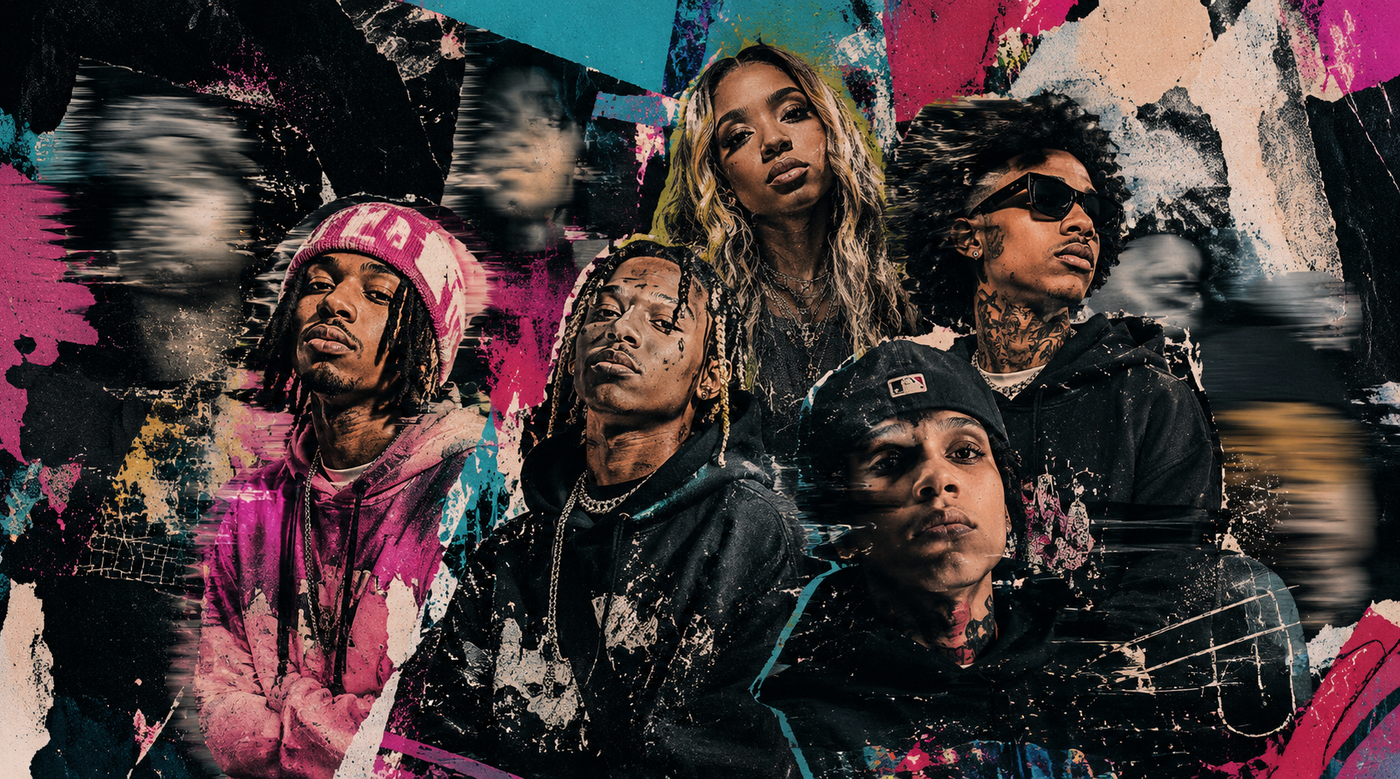
Hip-Hop Journalism Culture spent decades building credibility structures it cannot monetize and distinction frameworks the algorithm will not recognize. The 2026 landscape proves what happens when you train audiences to value craft over clicks and then discover that craft does not pay server costs. Complex now ranks platforms like The Art of Dialogue alongside actual journalists because the difference between journalism and entertainment has dissolved completely. You get institutional recognition the same year your institutions collapse. That is not irony. That is consequence.
Syreeta Gates spent a decade researching Word Is Bond, a comprehensive chronicle of how The Source, VIBE, XXL, Rap Pages, and Honey changed American media forever. The book comes with unprecedented insider access and voices from Greg Tate, Joan Morgan, Cheo Hodari Coker, Mimi Valdés. It will be definitive. It will also document an era that ended before the manuscript was finished. Prior to hip-hop's 50th anniversary, coverage of pioneers and legends declined steadily during the print-to-digital transition. Gates is writing the eulogy while the patient still has a pulse, which means either she saw it coming or she is early. Neither option suggests optimism about what comes next.
Gone are the days when Ego Trip and The Bomb Hip-Hop Magazine were scrappy insurgent voices carving lanes the mainstream ignored. Hip-Hop Journalism Culture in 2026 operates without a dominant star, without an overarching narrative, without a rap song in the top 10 since Drake's "What Did I Miss?" last summer. The editorial response to hip-hop's commercial slump was to broaden coverage, which is industry speak for chasing whatever the algorithm decides matters this week. XXL remains the recognized publication of institutional authority, though that designation means less when authority itself has been devalued. Pitchfork, which contributor Andrew Nosnitsky admitted in 2024 was considered defining for his generation for "purely mechanical and straight-up white-supremacy reasons" despite hip-hop being the actual defining music, moved to a subscription model in 2026 after Condé Nast gutted it and merged what remained into GQ. You can charge for access when nobody wants it anymore.
The Journalist versus Personality distinction that once separated magazine writers from on-air hosts has collapsed entirely. Nadeska Alexis landed the only J. Cole interview about The Fall-Off and the only on-camera sit-down with Baby Keem, operating via the Rap Life Review Podcast. Bootleg Kev caught DaBaby at his comeback peak and Blueface fresh out of jail. Elliott Wilson, described as "a rap journalism pioneer" who spent time "calling out streamers for not being real journalists," was quiet in 2026 after heart surgery and twins, his Bigger Picture podcast finished, keeping UPROXX afloat as one of its few remaining contributors. Wilson still uses his platform to hold the line on standards. That should mean something. It does not mean enough.
The credential crisis is not that Hip-Hop Journalism Culture lacks credentials. Gates interviewed everyone who mattered. Wilson built editorial frameworks that still define quality. Alexis gets access others cannot. The crisis is that credentials no longer convert to influence at scale. Complex's 2026 Hip-Hop Media Power Ranking now includes writers alongside personalities and platforms because the structural difference between them has evaporated. When The Art of Dialogue, a YouTube channel that uploads archival interview clips without original reporting, ranks on the same list as journalists who break news, you are not measuring power anymore. You are measuring traffic. Those are not the same thing, but Hip-Hop Journalism Culture spent the last decade pretending the distinction did not matter until it was too late to rebuild the walls.
This is what institutional recognition looks like when the institutions are dying. Gates gets to write the definitive book. Pitchfork gets to charge for subscriptions. Wilson gets to be a pioneer. None of it pays what it should because the business model Hip-Hop Journalism Culture operated under assumed readers would value depth over speed and context over content. They do not, or they cannot afford to anymore, which amounts to the same outcome. The field that taught audiences to care about lineage, about who came before, about why history matters, is now watching its own lineage get archived in real time while the next generation scrolls past looking for whoever the algorithm surfaced this week.
You cannot pretend the old independent web still exists the same way in 2026. Most of the publications that trained readers to care about craft and context have either vanished or turned into something unrecognizable. The result is criticism that chases the same five stories the algorithm already decided matter. Hip-Hop Journalism Culture built the framework. It just does not own the platform anymore. Someone else does, and they are not interested in what you spent twenty years teaching people to value. That realization comes too late for some and not late enough for others. Either way, it comes.
More Hip-Hop
- Cam'ron Recalls Dame Dash's Diabetes Brand Deal Boast
- Drake's New Mexico Stake Case Stays Partly Paused
- Queen Latifah on the Rock Hall: "We Made Rock and Roll"
- Ice Cube Says a Four- or Five-Part Docuseries on His Life Is in Talks
- Tobe Nwigwe and Reebok Release the Chukwu ATO and ANO
- Solomun Remixes "Notorious Thugs" by The Notorious B.I.G.