SoundCloud Music Culture Survived by Becoming What It Replaced
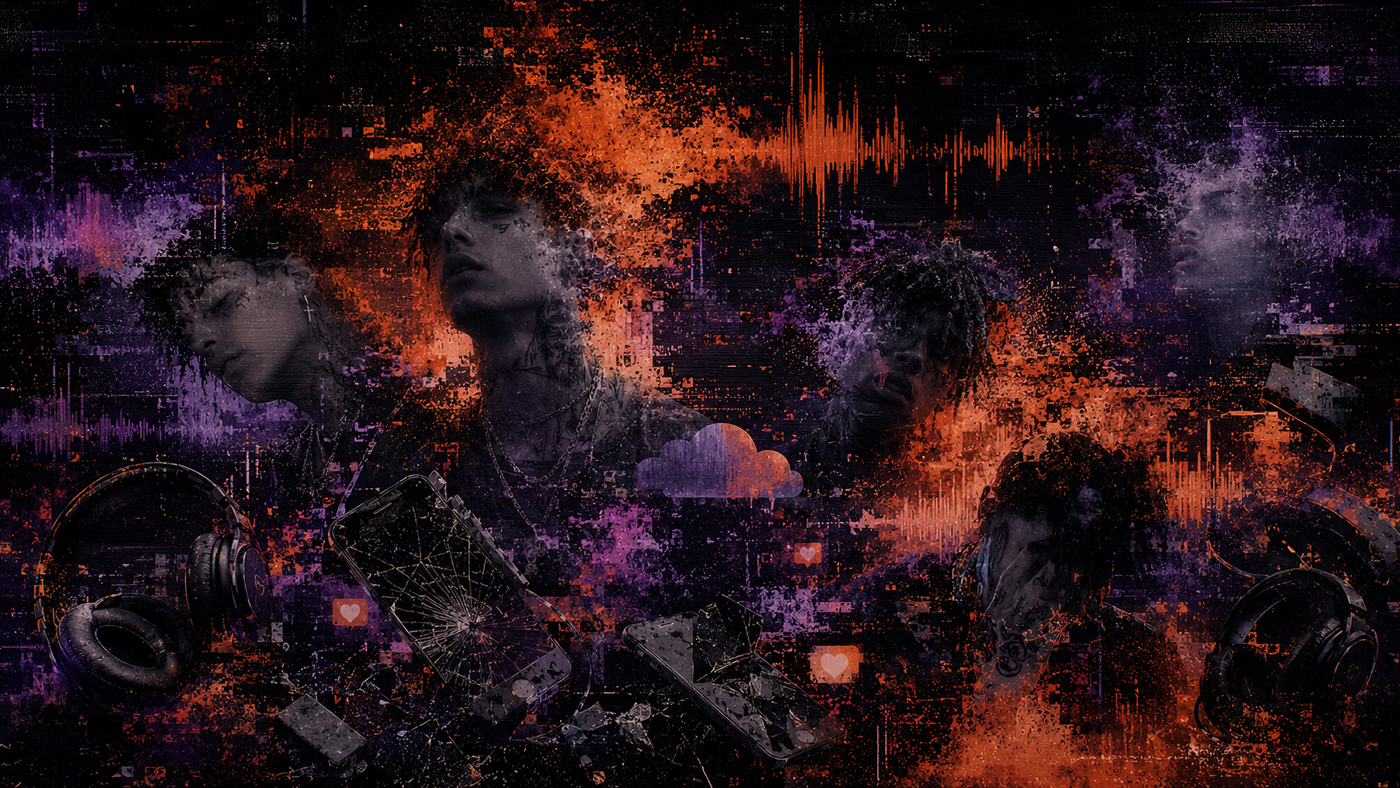
SoundCloud Music Culture turned a profit in 2025. Approximately $12.5 million in positive EBITDA after years of bleeding money like a label advance with no recoupment plan. The platform that gave us Juice WRLD, Lil Peep, and XXXTentacion before major labels knew their names now makes its money off 340,000 monetizing creators, most of whom will never sell out a venue with capacity over 200. This is what survival looks like when you stop trying to compete.
The March 2026 Artist Plan costs $3.25 a month and bundles distribution, merch, vinyl pressing, and a fan donation button that essentially turns every SoundCloud artist into a busker with better SEO. SoundCloud Music Culture calls this empowerment. The industry calls it commodification. Both are correct. The top 5% of monetizing artists earned a combined $110 million in 2025, which sounds impressive until you remember that is 17,000 people splitting what one Drake album used to generate in its first week. The mathematics of the middle class have never been this transparent or this depressing.
MySpace promised the same democratization before it collapsed under the weight of its own interface. The difference is MySpace died trying to be a social network. SoundCloud Music Culture survived by admitting it was never going to beat Spotify at the streaming game and pivoting to artist services, the unsexy backend work that keeps independent musicians functional. Eliah Seton, the CEO who joined in 2021 and took the chair in 2023, came from Warner Music Group's ADA Worldwide. That tells you everything about the strategic shift. You do not hire a major label services executive unless you are planning to operate like one.
The platform now claims 18 million subscribers across its Go+, Pro, and Pro Unlimited tiers as of January 2025, which represents genuine growth from the 2017 crisis when SoundCloud Music Culture almost died before it could cash in on the culture it incubated. The fan-powered royalty model pays artists based on direct listener engagement rather than pro-rata splits, which sounds revolutionary until you remember this is how radio used to work before Nielsen bought the methodology. SoundCloud Music Culture did not invent fair pay. It just rebranded basic accounting as disruption.
Meanwhile, uploads of electronic music rose from one in four tracks in 2020 to over one in three in 2025. Schranz, the hardest strain of German techno, saw uploads surge 83% in 2025. Hard techno variants including hardtekk and makina increased 57%. This is what replaced SoundCloud rap. Not another generation of emo rappers with face tattoos and opiate problems, but European club music that requires neither lyrics nor a backstory. The shift makes financial sense (electronic producers do not overdose or get shot, they just keep uploading) but it represents a complete abandonment of the rebellious DIY hip-hop aesthetic that made SoundCloud Music Culture culturally relevant in the first place.
Juice WRLD is dead. Lil Peep is dead. XXXTentacion is dead. Post Malone makes country music now because that is where the checks clear faster. And SoundCloud Music Culture, the platform that built them before major labels could ruin them, just posted record revenue by helping 340,000 artists make rent. There is no poetry in this. There is no mythos. There is subscription revenue and profitable EBITDA and a valuation that climbed from $700 million in 2021 to $1 billion in 2025.
The 2026 hire of Maurice Slade as Head of Music brings Epic Records, Roc Nation, and Universal Motown pedigree to a platform that used to pride itself on existing outside that system. Slade worked Travis Scott, 21 Savage, J. Cole, Drake, Lil Wayne, Nicki Minaj. These are arena-level careers, not SoundCloud success stories. You do not hire that resume unless you are trying to bridge the gap between independence and industry capture. SoundCloud Music Culture is not just surviving anymore. It is assimilating.
The financial turnaround required a 15% overhead reduction, which is corporate speak for layoffs and cost-cutting that always hits the people who cannot afford it first. SoundCloud Music Culture became profitable the way every struggling platform does, by spending less money on the infrastructure that made it special and more money on the services that scale. There is nothing wrong with this strategy. Profitability beats bankruptcy. But let us not pretend this is the same platform that accidentally built a generation.
SoundCloud rap turns ten in 2026. The sound is dead. The artists who defined it are either dead, sober, or making pop records for major labels who figured out how to monetize pain without taking on the liability. And SoundCloud Music Culture, the institution that made it all possible, survived by becoming an artist services company that happens to host music. This is not a tragedy. This is just what happens when counterculture gets a valuation. The platform won. The culture lost. And 340,000 creators are paying $3.25 a month for the right to find that out themselves.
More Hip-Hop
- Cam'ron Recalls Dame Dash's Diabetes Brand Deal Boast
- Drake's New Mexico Stake Case Stays Partly Paused
- Queen Latifah on the Rock Hall: "We Made Rock and Roll"
- Ice Cube Says a Four- or Five-Part Docuseries on His Life Is in Talks
- Tobe Nwigwe and Reebok Release the Chukwu ATO and ANO
- Solomun Remixes "Notorious Thugs" by The Notorious B.I.G.