Geese Earned Coachella But the Festivals Will Test the Chaos
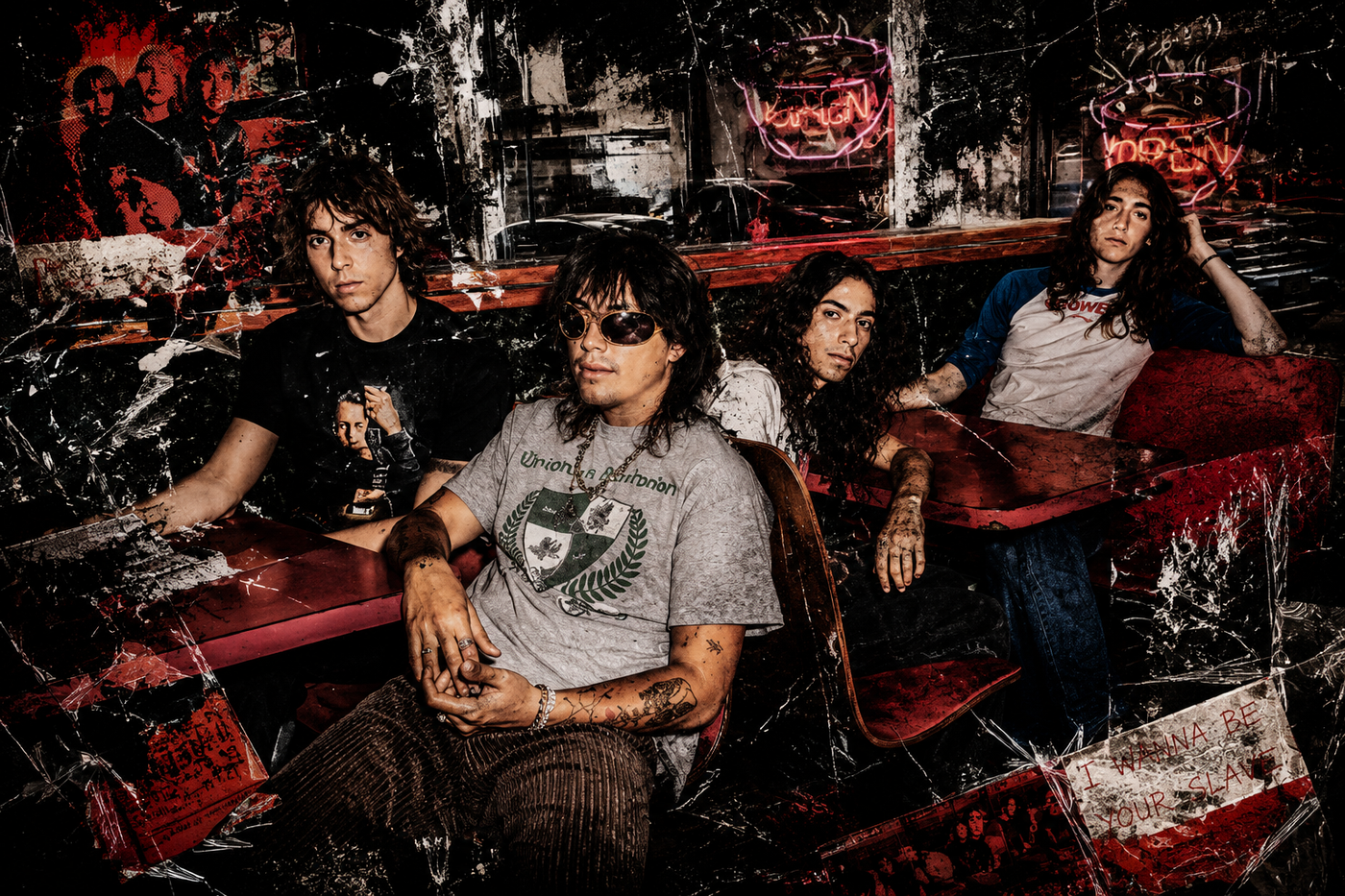
The opening guitar figure on "Trinidad" sounds like it was recorded through a phone held too close to an amp, all midrange snarl and no bottom. That is a production choice, not an accident. Kenny Beats spent ten days with Geese in January 2025 at Putnam Hill and the decision they made together was to leave the jagged edges exactly where they landed. The result is Getting Killed, an 11-track record that Metacritic scored at 89 and that sounds like it was mixed to survive a car stereo, not a festival PA.
That matters now because Geese spent the first half of 2026 confirming every major North American festival date short of Coachella itself. Governors Ball in June, Lollapalooza in August, a European run that includes Reading and Leeds. The band also announced a fall headlining tour that peaks with Forest Hills Stadium, the largest room they have ever attempted to fill on their own name. All of this momentum flows directly from Getting Killed, which Stereogum and The New Yorker both named the best album of 2025. But festivals do not care about Metacritic scores. Festivals care about whether a band can hold a crowd at 3 p.m. when half the audience is sunburned and the other half is trying to get close enough for the headliner six hours later.
Geese come out of a specific lineage, the kind of New York art rock that assumes you have read the right books and listened to the right records. Projector, their 2021 debut recorded in Max Bassin's basement and mixed by Dan Carey, sounded like Talking Heads if David Byrne had been replaced by someone who thought Remain in Light was a little too accessible. 3D Country, produced by James Ford in 2023, smoothed some of that abrasion without losing the band's preference for songs that refuse to sit still. Getting Killed takes the opposite approach. It is the least polite record Geese have made, built around Cameron Winter's lyrics and guitar parts that feel like they are actively resisting the arrangement around them.
Kenny Beats is not a rock producer by training. He built his reputation in hip hop, where the standard is to control every frequency and leave no空間 for accidents. What he gave Geese was permission to stop cleaning up the performances. Winter said in interviews that Beats encouraged the band to keep takes that had imperfections, rough edges, moments where the performance did not lock perfectly to the grid. That philosophy works on "Cobra" and "100 Horses," where the drums sound live and close and the guitars occupy the same frequency range without apologizing for it. The mix on Getting Killed is dense in a way that forces you to listen harder, not louder.
But density is a studio luxury. The Saturday Night Live performance in January 2026 showed what happens when Geese try to translate that controlled chaos to a stage with cameras and a live mix. "Au Pays du Cocaine" and "Trinidad" both landed, but they landed because SNL's audio team knows how to make a rock band sound urgent without sacrificing clarity. Festival sound engineers do not have that much time. They get a 20-minute line check and then the band is on. If the guitars are fighting for the same space and the vocals are buried under the rhythm section, the audience does not lean in. They walk to the next stage.
Geese have proven they can build songs that reward close attention. Getting Killed is not background music. It is a record that demands you sit with it, that makes you work for the melodies buried under the production. The From the Basement session in November 2025, produced by Nigel Godrich, captured a 35-minute set that showed the band could sustain that intensity in a controlled environment with an audience that came specifically to see them. Forest Hills Stadium in September will answer whether they can do it for a crowd that bought tickets six months in advance and expects a performance that justifies the expense.
The festival circuit in 2026 will test something else. Geese are not headliners yet, even if Forest Hills suggests they are building toward it. They are mid-bill, which means they play when the sun is still up and the crowd is still deciding what they care about. Getting Killed earned them that spot, and the live show at Third Man Records in Nashville last June proved they can deliver the album's best moments without losing the raw edge that made those songs worth recording. But festivals do not care what you did in Nashville in front of 200 people. They care whether you can make 10,000 people who do not know your name stop moving long enough to listen. Geese have the songs. The question is whether the chaos translates when the stage is bigger than the room and the sound is out of their hands.
More Rock
- Molly Hatchet Shares a "JacksonVillain" Lyric Video
- Make Them Suffer's "Black Sheep" Is Out, With a Video
- From Ashes to New's Reflections Deluxe, With "After Death"
- King 810's "Simulacra Simulating" Video Is Out
- GrimmING Announce Debut Album Jagatod, Share "Pankh" Video
- New Vision Share "Still Losing" Video Ahead of Can't Leave With Less