Victoria Monet Finally Got Her Moment. Now Comes the Hard Part.
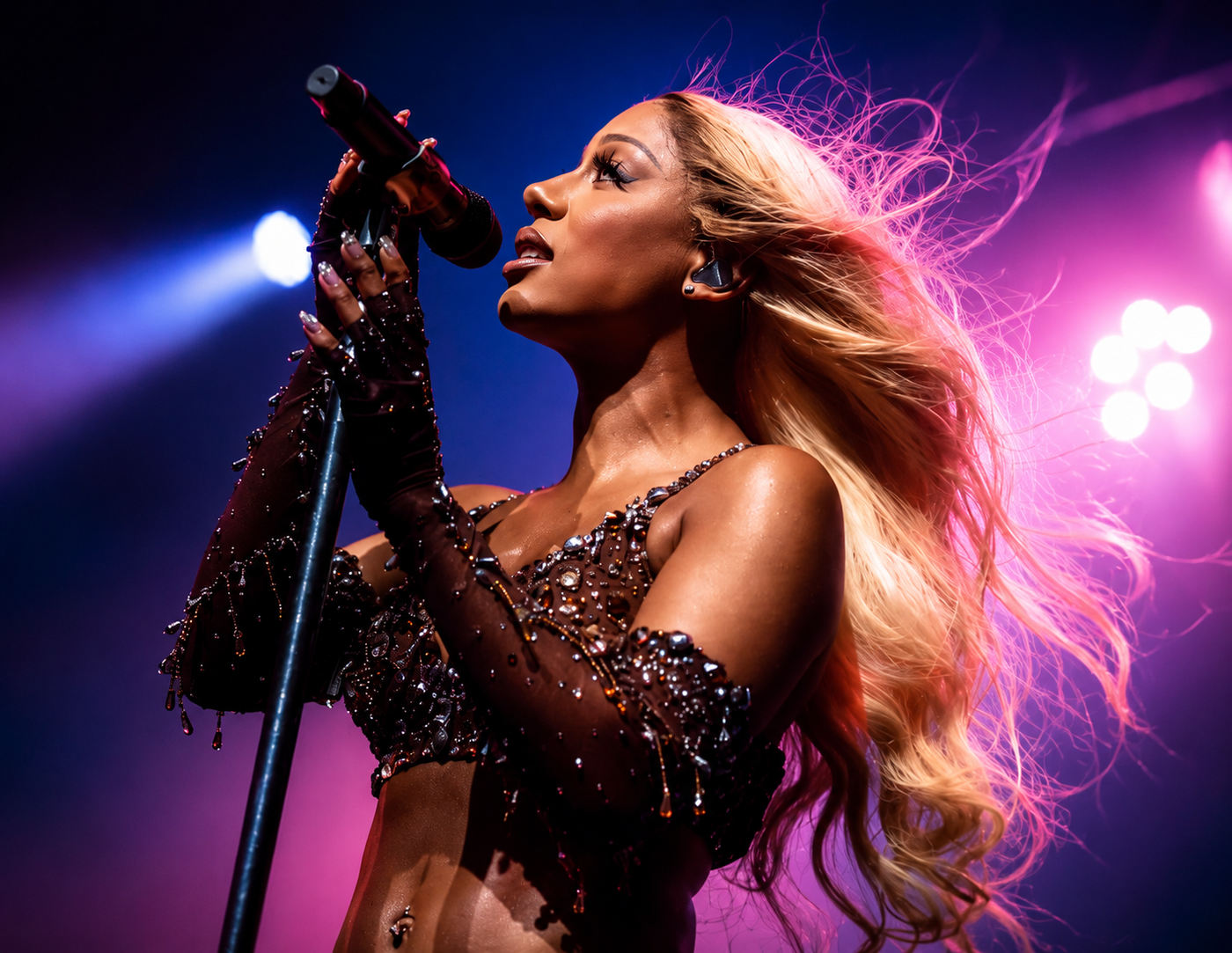
Victoria Monet won Best New Artist at the 2024 Grammys, took home two more trophies that night, and watched "On My Mama" become the kind of sleeper hit that refuses to die. The song peaked at 33 on the Hot 100 but stayed alive on radio for months, racked up a billion streams across the album, and turned into the kind of cultural shorthand that gets referenced in TikTok comments under completely unrelated videos. That should have been enough. That should have been the breakthrough.
But here we are in 2026, and Victoria Monet is still in the convincing phase. "Let Me" dropped in February, her first solo release in two years, and the conversation around it was less about the song itself and more about what it represents. A comeback single. A reintroduction. Another attempt to convert critical respect and industry validation into actual mainstream penetration. The Grammys gave her the crown. Radio gave her a number one on Adult R&B Airplay. She sold out her debut tour in minutes. And still, the question hangs there, are people actually paying attention or are they just nodding politely?
The frustrating part is that Victoria Monet is doing everything right by the old playbook. She took two years between projects to build anticipation. She locked in Camper to produce the entire upcoming album, ensuring sonic cohesion instead of chasing trends across a patchwork of producers. She's leaning into nostalgia and timeless songcraft, explicitly rejecting the disposable churn of playlist culture. She told interviewers she thinks young artists today are skipping over classic material, which is both a sharp observation and a quiet indictment of the streaming economy that makes catalogue depth irrelevant.
And then she accepted the Bruno Mars stadium tour offer, which is either the smartest move she could make or a signal that she knows her ceiling. Opening for Bruno across Europe starting in June puts her in front of 50,000 people a night who already bought tickets for something else. It's exposure on a scale she couldn't generate on her own, but it also means she's still in the context of someone else's show. Stadium support slots are where you prove you belong or where you get politely applauded before the headliner. There's no in between.
The comparison that keeps surfacing, fairly or not, is SZA. Both artists spent years as respected writers and collaborators before stepping into solo careers. Both build songs with live instrumentation and care about vocal texture in a way that sets them apart from the beat driven center of contemporary R&B. But SZA had "Kill Bill" hit number one and turn into an inescapable cultural object. Victoria Monet had "On My Mama" peak at 33 and become a beloved deep cut for people already in the ecosystem. The difference is not talent. The difference is not even the songs. The difference is momentum that compounds versus momentum that plateaus.
What makes this complicated is that Victoria Monet's music operates in a space that should be more commercially viable than it is. "On My Mama" is not experimental. It's not challenging. It's a feel good, horn heavy, summertime record that recalls the Neptunes at their most playful. It should have been bigger. The fact that it wasn't suggests something structural, either about how R&B moves through the culture now or about how hard it is to break through when you're not attached to a viral moment or a pre existing fanbase from another lane.
The upcoming album, expected this summer, is her chance to prove that 2023 was not a fluke and 2024 was not a stall. She's putting her daughter Hazel on a track, which is either a sweet family moment or a calculated play for the kind of personal narrative that helps artists break through on social media. She's talking about love as the central theme, which is safe but also evergreen. And she's working with a single producer across the whole project, which means the album will either feel like a cohesive statement or like she's playing it too careful.
The industry gave Victoria Monet every possible co-sign. Three Grammys. A number one on R&B radio. A stadium tour with one of the biggest pop stars on the planet. Now she has to turn institutional respect into cultural necessity. That's the hard part. That's what separates artists who get their moment from artists who define a moment. And that's what this summer will determine.
More Pop
- Honey Bxby Releases "Care For Me" on Warner Records
- Ubisoft Reveals Rainbow Six Siege Operation Vital Signal
- AI-Generated Artist Xania Monet Wins Three Top AI Music Awards
- KEM and Robert Glasper Release "Love Calls (The Alkemy Session)"
- Fantasia Says Her Next Album Will Be Her Last
- GTA VI: The Album Track List Leak Names Lana Del Rey and Dua Lipa