Tyla Proved the Labels Wrong and They Still Haven't Caught Up
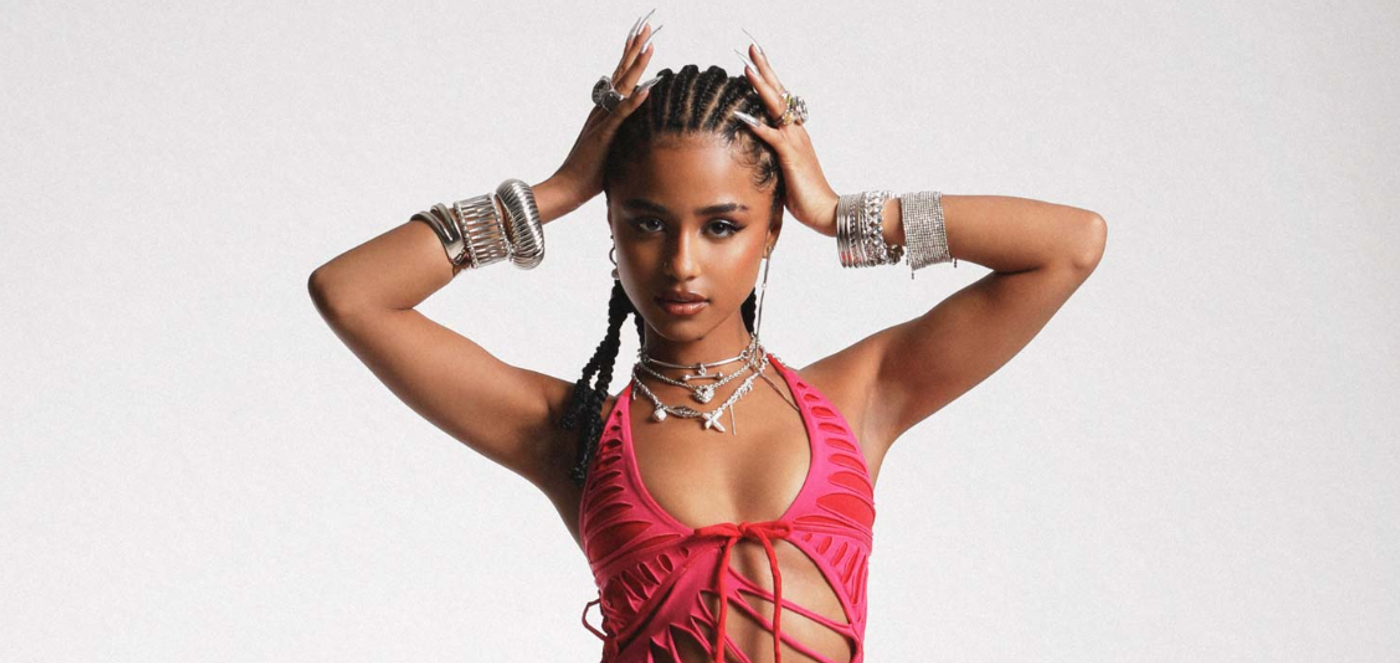
When Tyla picked up her second Grammy in February 2026 for "Push 2 Start," the American music industry was already three years behind the conversation. African pop has been dictating global streaming patterns since at least 2023, but major labels are still treating it like a curiosity instead of the primary engine. Tyla is not some crossover experiment. She is what happens when an artist understands the internet better than the A&Rs trying to sign her.
The numbers are not subtle. Tyla currently sits at 33 million monthly Spotify listeners, a figure that puts her in direct competition with artists who have had three album cycles to build that base. "Water" became the first song by an African artist to cross one billion streams on Spotify, and her self-titled debut made her the highest-charting African female solo artist in Billboard history. These are not feel-good diversity wins. These are commercial facts that rewrite how pop music moves in 2026.
What makes Tyla different from the usual major label pop rollout is timing. She released "Chanel" in October 2025, and it became her highest charting entry on the Billboard Global 200 since "Water," peaking at number 11. That song was not pushed by radio. It was not backed by a Super Bowl ad or a Netflix sync. It climbed because streaming audiences, particularly outside the United States, decided it was worth playing on repeat. By the time American pop radio noticed, the song had already done its work.
Her April 2026 single "She Did It Again" with Zara Larsson debuted at number 59 on the Hot 100, the highest debut either artist has ever had. That collaboration is instructive. Zara Larsson is a Swedish pop singer who has been working the American market for years with modest results. Tyla is a 24-year-old from Johannesburg who has been active for less than three years. The fact that Tyla elevated that debut says something about who has momentum right now and who is borrowing it.
The industry keeps trying to fit Tyla into existing boxes. Is she Afrobeats? Is she amapiano? Is she R&B? The better question is why American pop critics are still acting like genre labels matter when streaming playlists have been mixing all of this together since 2020. Tyla works because she does not sound like she is code-switching for American ears. She sounds like someone who grew up with Aaliyah, Drake, and South African house music in the same rotation, which is exactly what her generation did.
Her second EP "We Wanna Party" with Wizkid dropped in July 2025 and moved 3,700 units in its first week, which got framed as a disappointment because it did not chart on the Billboard 200. But WWP hit number 11 on the US Billboard World Albums chart and continued to accumulate streams long after release week. The idea that first-week sales are the only metric that matters is a relic of an industry model that no longer reflects how music is consumed. Tyla is building a catalog, not chasing a single.
What the labels missed is that African pop is not a trend that needs to be manufactured for Western audiences. It is already the sound driving global playlists, and Tyla is one of the artists who understood that early enough to capitalize. Her 13.4 million Instagram followers and 15 million combined social media presence are not inflated by bot farms or label money. They are the result of consistent output that connects with an audience that does not need American radio to tell them what to listen to.
Tyla's upcoming album "A*Pop," dropping July 24, 2026, will be the real test. The singles are performing, the streaming numbers are undeniable, and the cultural conversation has moved past whether African artists can compete in American pop. The question now is whether the industry can move fast enough to recognize what is already happening. Tyla is not waiting for an answer.
More Pop
- Honey Bxby Releases "Care For Me" on Warner Records
- Ubisoft Reveals Rainbow Six Siege Operation Vital Signal
- AI-Generated Artist Xania Monet Wins Three Top AI Music Awards
- KEM and Robert Glasper Release "Love Calls (The Alkemy Session)"
- Fantasia Says Her Next Album Will Be Her Last
- GTA VI: The Album Track List Leak Names Lana Del Rey and Dua Lipa