Tyla Is Building Pop Infrastructure, Not Just Having a Moment
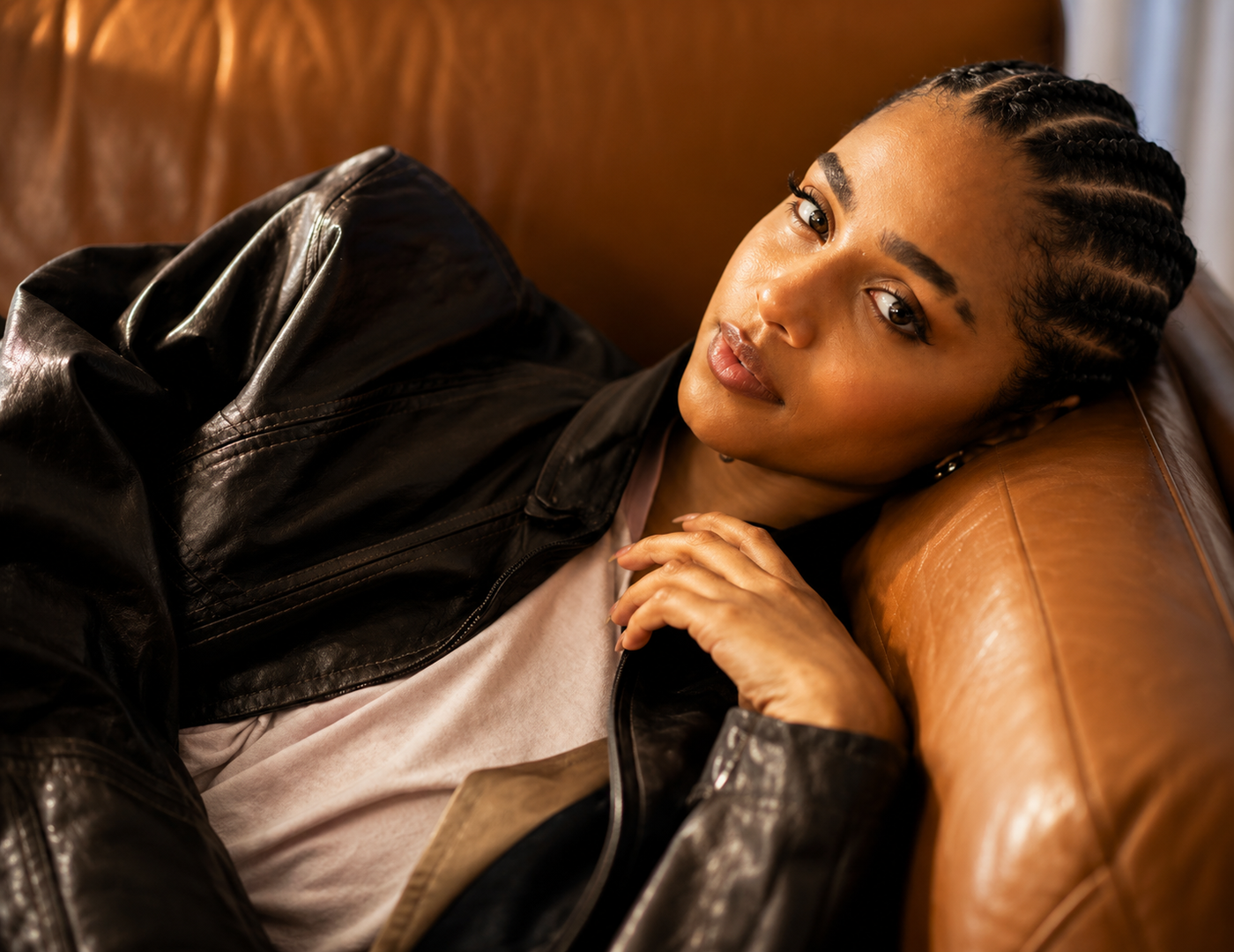
When Tyla broke Spotify's single-day streaming record for an African artist on New Year's Eve with 4.18 million plays, she was not riding a viral wave. She was proving something more durable. 'CHANEL' had already spent 22 weeks at number one on Billboard's US Afrobeats Songs chart by then. That is not a moment. That is infrastructure.
The South African singer won her first Grammy in 2024 for Best African Music Performance with 'Water', the amapiano-driven single that made her the highest-charting African female soloist in Hot 100 history. Two years later, the narrative around Tyla has shifted from breakthrough to consolidation. She has 33 million monthly Spotify listeners, which puts her in legitimate pop star territory. Her Instagram engagement rate sits at five percent, which is unusually high for an account with 13.4 million followers. And her second album, A*Pop, drops July 24 with sessions recorded in Los Angeles and Barcelona, signaling a bigger budget and a wider sonic palette.
The question is not whether Tyla can have hits. She has already done that. The question is whether amapiano, a genre that emerged from South African townships in the mid-2010s, can function as the foundation for a sustained global pop career the way Afrobeats has for Wizkid or Burna Boy. 'Water' worked because it was structurally simple enough for American radio while still sounding specific. The piano stabs and the log drum gave it texture without making it feel like homework. 'CHANEL' followed the same formula, leaning into a breathy, flirtatious vocal that paired well with the genre's rolling low end. The song spent 17 weeks on the Hot 100 and hit number one on Rhythmic Airplay, which means it crossed over to pop and hip-hop stations without losing its identity.
But crossover always comes with a cost. Tyla's April collaboration with Zara Larsson, 'She Did It Again', debuted at number 59 on the Hot 100, which is solid but not dominant. Tyla herself said the song was meant to push further into pop territory, which is code for sanding down some of the genre specificity that made 'Water' feel fresh. That is the trade-off. You can chase a broader audience, but you risk becoming another artist who sounds like everything and nothing.
The smartest move Tyla has made is treating amapiano as a genre with its own internal logic rather than a trend to exploit. Her 2025 EP with Wizkid, WWP (We Wanna Party), kept the focus on African collaborators and African sounds. 'Is It' pulled 1.27 million Spotify streams in 24 hours and hit number four on the UK Afrobeats chart, which suggests there is an audience that wants her to stay in that lane. The second album title, A*Pop, is a telling signal. The asterisk suggests she is trying to define her own version of pop rather than conform to someone else's.
What makes Tyla interesting is that she is operating in the same space Rema and Tems occupy, where African artists are no longer expected to code-switch for Western audiences. They are bringing their own production styles, their own collaborators, their own visual language, and forcing the industry to meet them halfway. Tyla's Grammy win was historic because it was in the Best African Music Performance category, a recognition that African music deserves its own lane rather than being lumped into Global or World categories. That institutional validation matters because it creates a clearer path for the next generation of African pop stars who do not want to be novelty acts.
The ceiling for Tyla is real pop stardom, the kind where you can headline arenas in multiple continents and have album rollouts that feel like events. The floor is being a regional star with occasional crossover moments, which is still a successful career but not the one she is building toward. Right now, she is in the middle, which is the most interesting place to be. She has the streaming numbers and the chart positions to prove she is not a fluke. She has the cultural credibility to avoid being dismissed as a pop confection. And she has the institutional backing, from her Grammy to her major label support, to make a real run at longevity.
The South African music industry has produced global stars before, but most of them had to leave to succeed. Tyla is trying to do something different. She is building a career where Johannesburg and Los Angeles are both home, where amapiano is not a gimmick but a foundation, and where African pop is not a subcategory but a competitive force in the global market. Whether that works depends on whether A*Pop can deliver songs that feel as urgent as 'Water' did two years ago. But the fact that she is in position to try says something about how much the landscape has shifted. Tyla is not chasing validation anymore. She is setting terms.
More Pop
- Honey Bxby Releases "Care For Me" on Warner Records
- Ubisoft Reveals Rainbow Six Siege Operation Vital Signal
- AI-Generated Artist Xania Monet Wins Three Top AI Music Awards
- KEM and Robert Glasper Release "Love Calls (The Alkemy Session)"
- Fantasia Says Her Next Album Will Be Her Last
- GTA VI: The Album Track List Leak Names Lana Del Rey and Dua Lipa