SZA Spent 53 Weeks in the Top Ten and Changed What R&B Longevity Looks Like
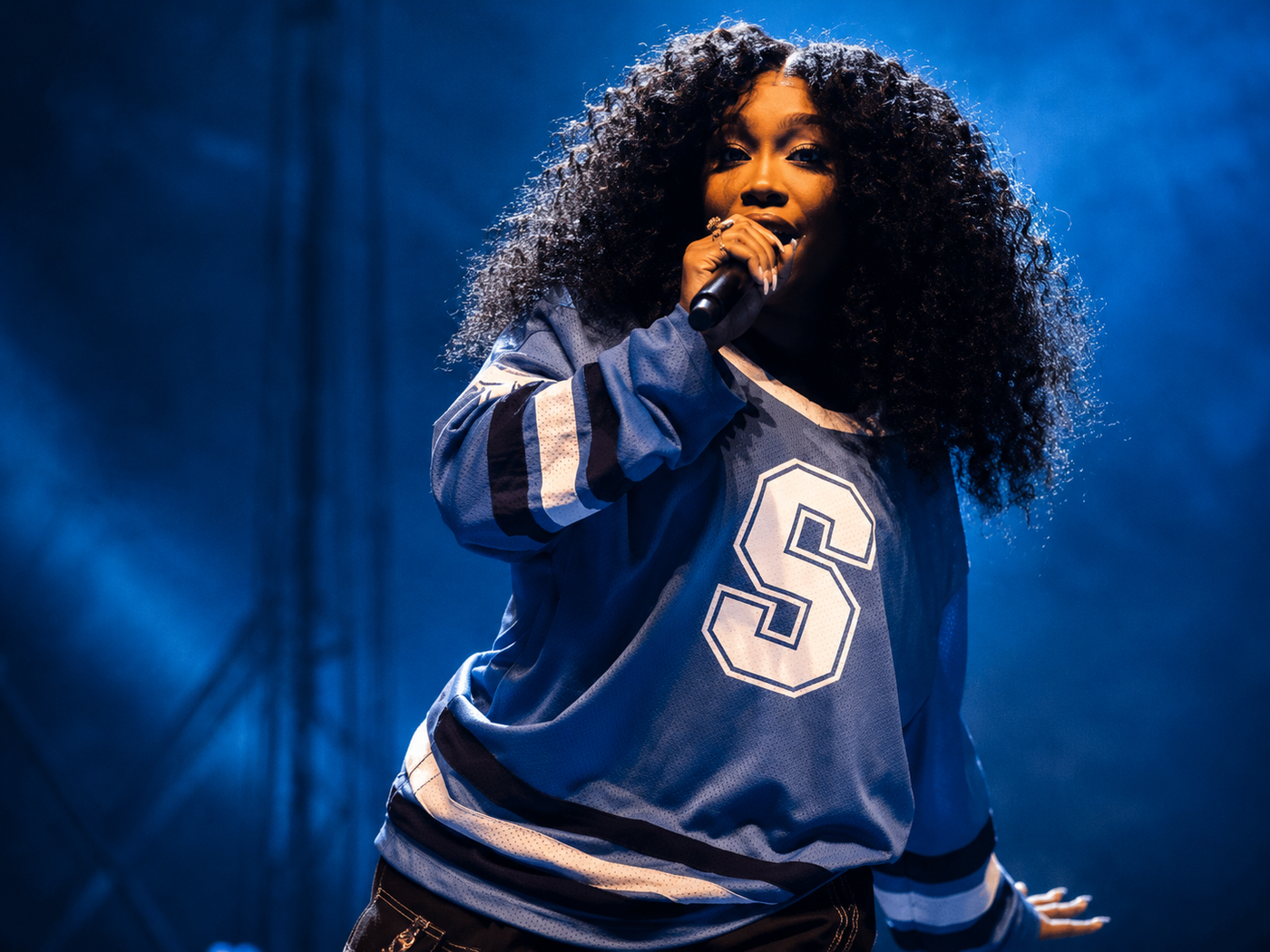
SZA has spent 53 weeks in the Billboard 200 top ten with SOS, which means she has been culturally unavoidable for longer than most artists stay relevant at all. The album debuted in December 2022 and it is still charting in 2026. That is not a comeback story or a nostalgia play. That is an entirely different relationship with how pop and R&B move through culture now.
The comparison everyone keeps making is to Michael Jackson's Thriller, which SZA officially surpassed as the longest-running top ten album by a Black artist in Billboard 200 history. But Thriller moved through a different system. It had MTV, it had the album era, it had a world where people bought physical copies and played them until the tape wore out. SZA is doing this in the streaming era, where attention spans collapse every six months and playlists replace albums. The fact that SOS has stayed in rotation this long means people are choosing to return to it, not just riding algorithm momentum.
What makes SZA the most important pop R&B artist of her generation is not that she makes great songs. Plenty of artists do that. It is that she has figured out how to make albums that people live inside. SOS is 68 minutes long (now 42 tracks if you count the Lana deluxe), and instead of front-loading it with singles, SZA built a world dense enough that listeners keep finding new entry points. "Kill Bill" went number one. "Snooze" became a sleeper smash. "Shirt" had a second life months after release. She is not chasing virality, she is letting the album breathe.
The Kendrick Lamar collaboration on "Luther" is the other half of this. That song spent 13 consecutive weeks at number one on the Hot 100, SZA's longest-running chart-topper. It won Record of the Year at the Grammys. But more importantly, it proved SZA can step into a Kendrick Lamar record and not get swallowed by it. She matched him bar for bar, tone for tone. That is the crossover move that separates her from peers who excel in R&B lanes but cannot hold weight when pop or hip-hop calls.
The Grand National Tour with Kendrick generated $256.4 million and became the highest-grossing co-headlining tour of all time. The Seattle show alone pulled in $14.8 million, breaking the record for highest-grossing hip hop concert ever. Those are not R&B numbers. Those are stadium pop numbers, the kind reserved for artists who move masses, not just fanbases. SZA sold 1.1 million tickets across 23 North American dates. She is not filling clubs anymore. She is filling cities.
But here is where the ceiling question comes in. SZA has said publicly she is not rushing another album, maybe not even releasing one in 2026. She is studying Stevie Wonder and Paul McCartney, working with outside writers for the first time, taking her time. That is either the move of an artist confident enough to let the moment settle, or it is the move of someone who knows SOS is unrepeatable and is stalling the inevitable comparison. The difference matters.
If SZA drops another album in 2027 and it does half of what SOS did, does that diminish what she has already built? Or does it prove that SOS was not a fluke but a foundation? The most consistent artists show up every year. The most important ones change what showing up even means.
Right now SZA is the blueprint for how an R&B artist survives in a pop landscape that keeps trying to collapse the genre into TikTok trends and playlist filler. She took the long road. She made an album people cannot let go of. She outlasted Thriller. That is not just consistency. That is rewriting the standard.
The question is not whether SZA is the most important pop R&B artist of her generation. The question is whether anyone else is even close.
More Pop
- Honey Bxby Releases "Care For Me" on Warner Records
- Ubisoft Reveals Rainbow Six Siege Operation Vital Signal
- AI-Generated Artist Xania Monet Wins Three Top AI Music Awards
- KEM and Robert Glasper Release "Love Calls (The Alkemy Session)"
- Fantasia Says Her Next Album Will Be Her Last
- GTA VI: The Album Track List Leak Names Lana Del Rey and Dua Lipa