Fritzthaproducer Is Building New York's Next Beat Scene From Inside On The Radar
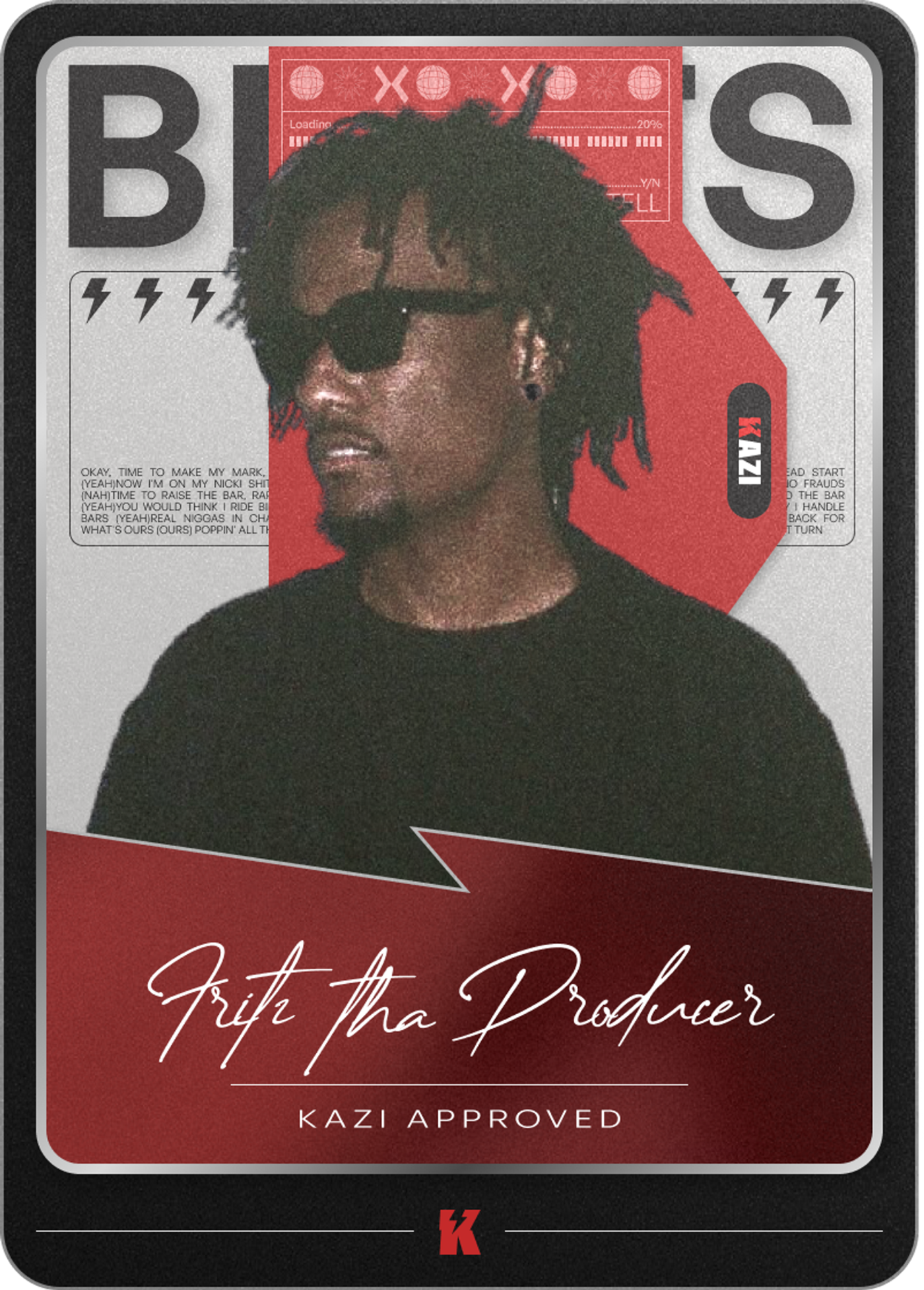
Most producers chase a single placement and call it a career move. Fritzthaproducer is building the room where those placements happen. As the in-house producer for On The Radar Radio, one of New York's most vital emerging artist platforms, he has positioned himself not at the top of the beat food chain but at the foundation of it. He produces the freestyles that launch careers. He co-hosts Beat Breakdown, a series that documents how top producers actually make their records. He runs FHYDT Academy, a mentorship program that trains the next wave of beatmakers. This is not about going viral. This is about creating the infrastructure that makes viral possible for everyone around him. In a moment when producers are told to optimize for playlist adds and TikTok seconds, Fritzthaproducer is playing a longer game, one where the work is building systems that outlast any single track.
THE SOUND
Fritzthaproducer's beats are built for the session, not the algorithm. His approach is drums first, live instrumentation layered with digital processing, arrangements designed to hold up through multiple takes from multiple artists in a freestyle environment. This is not type beat logic. This is platform logic. When you are the in-house producer for On The Radar Radio, your beats need to serve the artist walking into the booth, not the hypothetical listener three months from now. The work has to be flexible enough to catch whatever energy the rapper brings, structured enough to guide them toward their best take, and clean enough to sound finished even when it was made that morning.
In his August 2024 cookup video, you can watch him work through four beats in real time. The process is methodical. He starts with drums, locks in the pocket, then builds melody around the groove rather than forcing drums onto a pre-made loop. The layering is deliberate. Live bass under digital keys. Vocal chops that sit in the mix without dominating it. He is not trying to make a beat that sounds expensive. He is trying to make a beat that sounds like it was made for you, in that room, at that moment. That is the On The Radar sound, the reason why artists keep coming back to the platform. The beats do not compete with the artist. They frame the artist.
THE RECEIPTS
Beat Breakdown: Chicken P — Legend (via On The Radar Radio)
Fritzthaproducer's discography is not measured in major label placements. It is measured in platform infrastructure. His primary credit is On The Radar Radio itself, where he has produced countless freestyle sessions that have launched or accelerated the careers of New York's next generation of rappers. The work is not about one song. It is about being the sonic backbone of the platform, the person who makes sure every session sounds like it belongs in the same universe even when the artists are pulling from completely different reference points.
Beyond the freestyles, his most important work is the Beat Breakdown series, which he co-hosts with JV JRDN. In December 2025, they broke down the making of Chicken P's "Legend," walking through the sample selection, drum programming, and arrangement choices that shaped the track. That same month, they documented Scooby Stackz's "Whoopty Doo" featuring Rio Da Yung OG and Louie Ray, showing how a regional collaboration comes together at the production level. These are not fluff interviews. These are technical deep dives, the kind of content that teaches producers how to think, not just how to copy. The series has become a reference archive for beatmakers trying to understand how modern rap production actually works.
Beat Breakdown: Scooby Stackz — Whoopty Doo ft. Rio Da Yung OG & Louie Ray
FHYDT Academy extends that educational mission into direct mentorship. The program offers workshops, one-on-one sessions, and community building for emerging producers. It creates a feedback loop. Producers watch Beat Breakdown, join FHYDT, develop their workflow, and return to On The Radar as better collaborators. Fritzthaproducer is not just making beats. He is building the pipeline that ensures the next wave of New York producers has the tools and the network to succeed.
WHY KAZI APPROVED
Kazi is stamping Fritzthaproducer because he understands something most producers miss. The real power is not in the placement. The real power is in the platform. By embedding himself inside On The Radar Radio, he has positioned himself at the center of New York's emerging rap ecosystem. Every artist who walks through that door is working on his beats. Every producer who watches Beat Breakdown is learning from his process. Every student who joins FHYDT Academy is entering a network he built. This is infrastructure work, the kind of long game that creates opportunities for everyone around him while securing his own position as the person who makes it all run.
He is also one of the few producers publicly documenting the craft in a way that is both accessible and uncompromising. Beat Breakdown is not dumbed down for casual viewers, and it is not gatekept for insiders. It is real technical conversation presented clearly, the kind of content that raises the floor for everyone trying to learn production. FHYDT Academy takes that mission further, creating direct mentorship pathways that help producers move from bedroom beatmaker to professional collaborator. This is education as community building, teaching as network expansion.
Most importantly, Fritzthaproducer refuses to separate accessible from uncompromising. His beats serve the moment and the artist, but they do not pander. They do not chase trends. They do not sound like they were made to game Spotify's algorithm. They sound like they were made to capture the best possible performance from the person in the booth, which is the only thing that actually matters in a freestyle session. In a moment when producers are told to optimize for everything except the music, Fritzthaproducer is building systems that put the music first. That is why we are putting the stamp on him. He is not just shaping the sound of New York rap right now. He is building the infrastructure that will shape it for the next decade.