Chappell Roan Chose the Hardest Path in Pop and It's Working
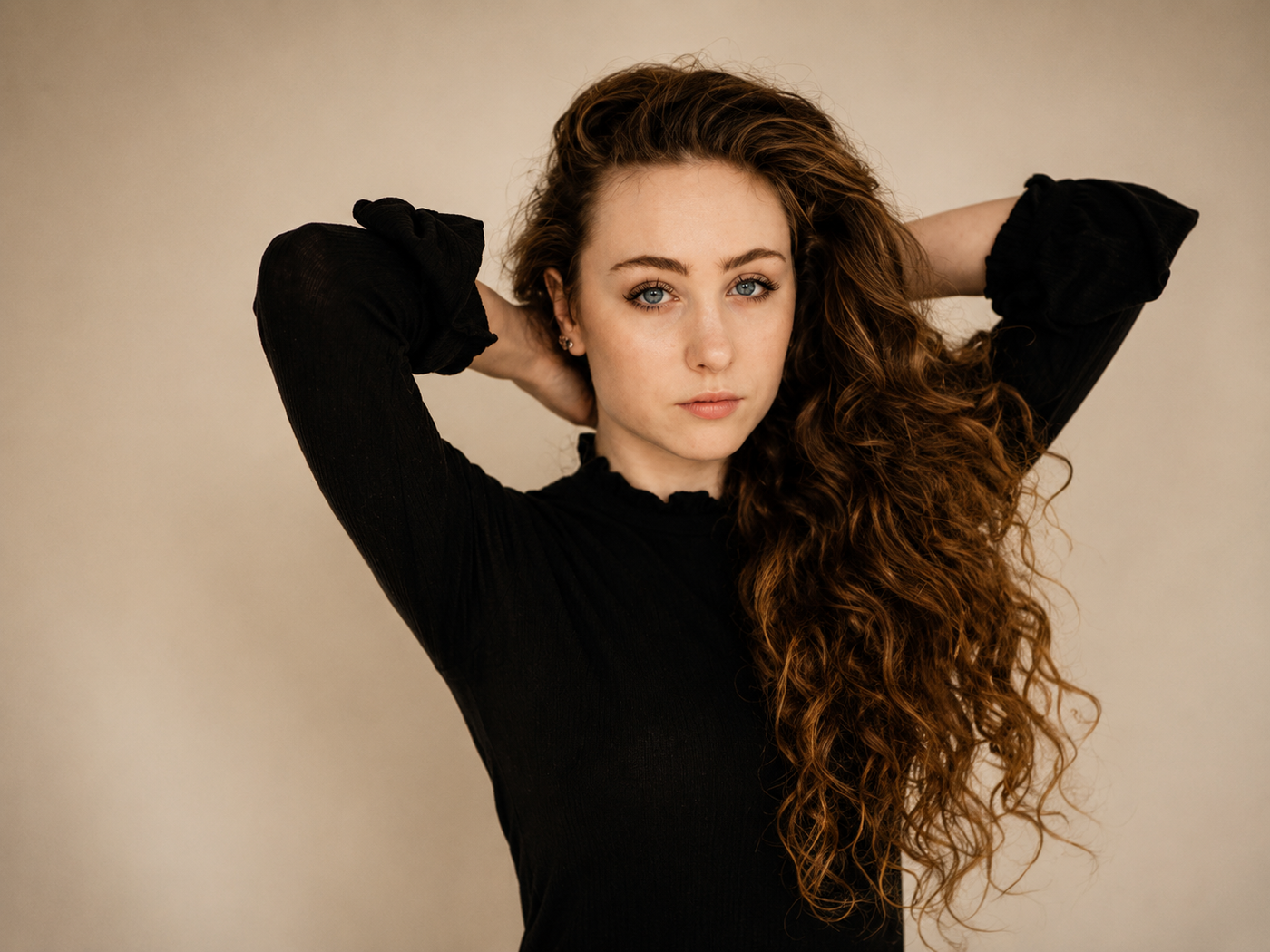
Chappell Roan released two singles in 2025 and said she will not drop another album until 2030. In any other timeline, that would be career suicide. Artists are supposed to feed the algorithm, ride momentum, turn breakout years into catalog years. Instead, Chappell Roan is treating pop like it has the same patience as art rock, and the wildest part is that it is working.
"The Giver" hit top five on the Hot 100 in March 2025. "The Subway" debuted at number one in the UK that August and went Gold by September, then landed Grammy nominations for Record of the Year and Best Pop Solo Performance at the 68th Grammys. Those are not momentum singles. Those are event releases from an artist who understands that scarcity creates gravity. When Chappell Roan puts out music now, people stop what they are doing.
The math should not add up. She has 46.3 million monthly Spotify listeners as of late 2025 with no new album to promote. Her debut, The Rise and Fall of a Midwest Princess, peaked at number two on the Billboard 200 in 2024 and became the UK's biggest debut album of that year, the best-selling debut on vinyl. It climbed for 17 weeks before hitting number one. That is not hype cycle behavior. That is cultural embedding.
What Chappell Roan figured out is that pop does not have to move at TikTok speed if you give people something to return to. "Pink Pony Club" went to number one in the UK in 2025, years after its original release, because it became a queer anthem with enough emotional architecture to carry long-term meaning. "Good Luck, Babe!" hit number four on the Hot 100 in 2024 and stayed in rotation because it soundtracked a specific kind of millennial heartbreak that does not expire when the song leaves the chart.
She won Best New Artist at the 67th Grammys in February 2025 and used her speech to call for record labels to provide artists with a living wage and healthcare. That is not awards show pandering. That is an artist who understands her leverage and is willing to deploy it for structural change, not just personal brand elevation. She followed that with two BRIT Awards in 2025, International Artist and Song of the Year, and the BBC Sound Of 2025 title. She is not chasing validation. She is collecting it on her terms.
Her Visions of Damsels & Other Dangerous Things Tour is not a traditional pop trek. It is performance art that happens to include her songs. Her Lollapalooza Argentina set in March 2026 was described as genre-blurring spectacle, the kind of thing that makes people who were not there feel like they missed a cultural checkpoint. She played Australia, New Zealand, Chile, Brazil, and Argentina between February and March 2026, doing festival circuits like someone with three albums and a decade of catalog, not someone with one debut and two singles.
The ceiling here is higher than people think. Chappell Roan is building a model where artistic control and pop success are not opposing forces. She is not doing the major label churn. She is doing the Lorde thing, the Frank Ocean thing, the SZA thing, treating each release like it has to justify itself culturally before it justifies itself commercially. When she told Vogue it took five years to write her debut and it will take at least five to write the next one, that was not an apology. That was a manifesto.
The floor is still real. Pop has a short memory when artists go quiet, and five years is a long time to ask fans to wait. But Chappell Roan is not going quiet. She is staying visible through live performance, fashion, activism, and cultural conversation without flooding the market with music. She has 2.4 million YouTube followers and 306.5 million streams as of January 2026, and those numbers are growing without new material.
What matters is that Chappell Roan proved you can have a massive pop debut and refuse to let it dictate your next move. Good Luck Babe launched her into the center of pop conversation in 2024, and instead of capitalizing with a rushed follow-up, she released two singles that hit harder because they were singular events. She turned a moment into a movement by refusing to treat it like a moment. That is not supposed to work in 2026, but here we are.
More Pop
- Honey Bxby Releases "Care For Me" on Warner Records
- Ubisoft Reveals Rainbow Six Siege Operation Vital Signal
- AI-Generated Artist Xania Monet Wins Three Top AI Music Awards
- KEM and Robert Glasper Release "Love Calls (The Alkemy Session)"
- Fantasia Says Her Next Album Will Be Her Last
- GTA VI: The Album Track List Leak Names Lana Del Rey and Dua Lipa